Paint vs. Stain: Which Is Best for Decks, Fences, and Porches?
People searching for paint vs. stain for decks, fences, and porches often want to protect and enhance their surfaces, and local contractors can help choose and apply the best option.
Choosing between paint and stain for decks, fences, and porches is a common decision faced by property owners seeking to enhance and protect their outdoor spaces. Whether updating a worn surface or preparing for a fresh look, understanding the differences can help determine which option best suits specific needs. Local contractors specializing in deck, porch, and fence painting or staining can provide valuable guidance and professional application, ensuring the chosen finish not only looks great but also withstands the elements over time.
Property owners in the area often explore this topic to make informed choices that balance aesthetics, durability, and maintenance needs. By learning about the benefits and limitations of paint versus stain, homeowners can better plan their projects and select the right solution for their outdoor structures. Continued reading can reveal practical insights and connect them with experienced service providers ready to help bring their vision to life.
- Deck staining and painting services are often needed when homeowners want to enhance durability and appearance, with local contractors choosing the best method based on wood condition and desired finish.
- Fence painting and staining is common when fences require protection from weather and to improve curb appeal, with local pros assessing wood type and exposure to determine the most suitable option.
- Porch painting and staining services are requested to refresh or protect porch surfaces, with service providers evaluating material and existing finish to recommend either paint or stain.
- Deck, fence, and porch painting options are considered when a uniform, vibrant look is desired, with local contractors preparing surfaces thoroughly before applying paint for optimal results.
- Staining services for decks, fences, and porches are chosen when a natural or rustic appearance is preferred, with local pros applying stains that penetrate wood to preserve texture and enhance longevity.
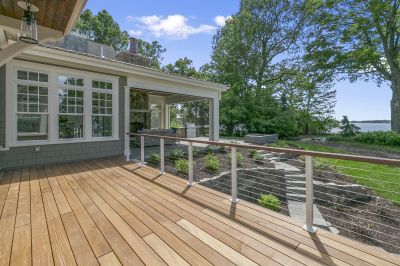
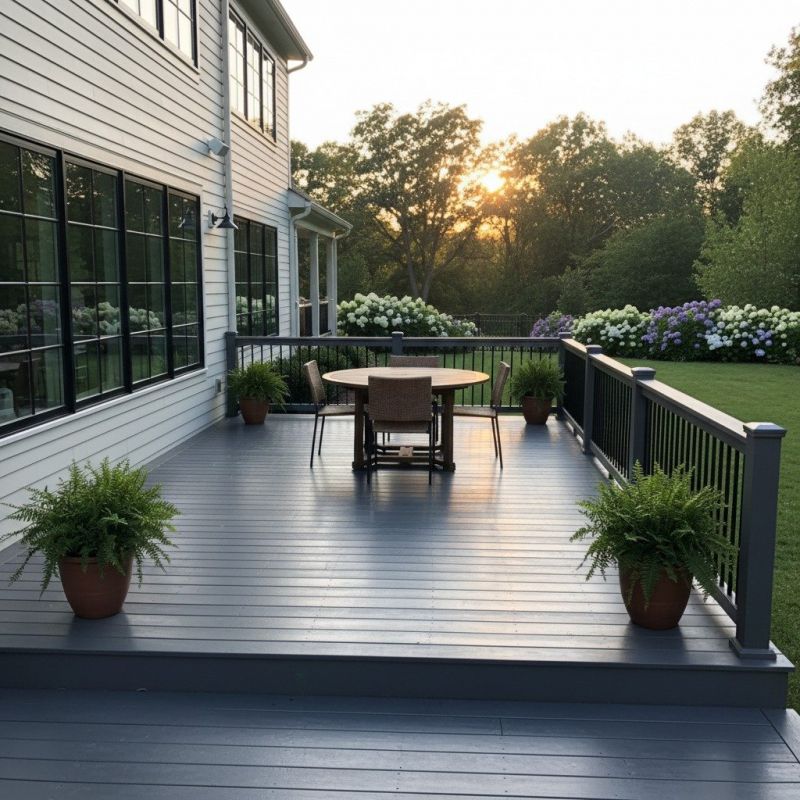
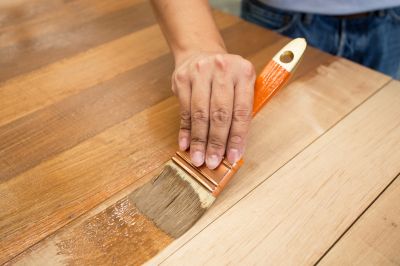
When homeowners search for information on paint vs. stain: which is best for decks, fences, and porches, they are often trying to determine the most suitable finishing option for their outdoor wood surfaces. These projects typically involve protecting and enhancing the appearance of structures that are exposed to the elements, such as wooden decks, fences, and porches. The decision-making process usually revolves around factors like durability, aesthetic preferences, maintenance needs, and the type of wood involved. People may also be considering how each option affects the longevity of their investments and the overall look of their outdoor spaces, which makes understanding the differences essential.
This topic is closely related to planning and executing outdoor wood finishing projects. Homeowners may already have a clear plan to improve or maintain their property's curb appeal or to prevent wood decay, but they often need guidance on whether paint or stain provides the best protection. Problems commonly encountered include peeling paint, fading stain, or the need for frequent touch-ups. Many property owners are also weighing whether they want a uniform, opaque look or a more natural, transparent appearance that allows the wood grain to show through. These considerations influence the choice of materials and the approach that local service providers can help implement.
The types of properties that come up in discussions about paint vs. stain: which is best for decks, fences, and porches are typically residential homes with outdoor wood features. These structures are often made from pressure-treated lumber, cedar, redwood, or other common decking and fencing materials. Larger properties, such as multi-family complexes or community parks, may also require similar treatments, especially when maintaining a consistent look or protecting large outdoor surfaces. Homeowners are often interested in how their specific property type and the existing condition of their wood surfaces impact the choice between paint and stain, and how local contractors can assist in achieving the desired outcome.
Understanding the differences between paint and stain is crucial for homeowners planning to enhance their outdoor spaces. Local contractors specializing in deck, porch, and fence painting or staining can provide valuable advice based on the property's unique needs. They help determine whether a paint’s opaque finish or a stain’s transparent coverage better suits the wood type, exposure level, and aesthetic goals. These professionals can also recommend appropriate products and application techniques, ensuring that the chosen finish not only looks good but also offers the necessary protection. By working with experienced service providers, property owners can make informed decisions that lead to durable, attractive results for their decks, fences, and porches.
Wood staining projects involve preparing and applying protective finishes to enhance the appearance and durability of outdoor wood surfaces, similar to deck and fence staining services.
Exterior painting services for siding, trim, or other structures require surface preparation and finishing skills comparable to those used in porch and fence painting projects.
Deck restoration and sealing involve cleaning, sanding, and applying protective coatings, aligning with the skills needed for deck staining or painting tasks.
Fence repair and finishing projects include surface prep and application of weatherproof finishes, which are related to fence staining and painting services.
Porch refinishing involves surface preparation and applying protective or decorative coatings, similar to porch painting or staining work.
Outdoor wood furniture finishing requires knowledge of surface prep and coating application, paralleling techniques used in deck, porch, and fence treatments.
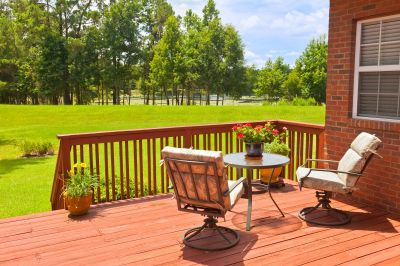
When evaluating service providers for painting or staining decks, fences, and porches, it is important to consider their experience with similar projects. Homeowners should look for local contractors who have a proven track record of completing work on outdoor structures like decks, fences, or porches, as these projects often require specific techniques and knowledge of different materials. An experienced professional will understand the nuances of applying paint or stain to various surfaces, helping to ensure a durable and visually appealing result. Reviewing examples of past work or seeking references from previous clients can provide valuable insight into their expertise and consistency with projects comparable to the one at hand.
Clear, written expectations are essential when comparing local service providers for painting or staining projects. Homeowners should seek detailed estimates that outline the scope of work, types of products to be used, surface preparation procedures, and the expected finish. This transparency helps prevent misunderstandings and ensures that both parties are aligned on the project’s goals. When discussing options like paint versus stain for decks, fences, and porches, a professional who can clearly explain the benefits and limitations of each approach-such as longevity, appearance, and maintenance-will assist in making an informed decision tailored to the specific needs of the outdoor space.
Good communication and reputable references are key indicators of a trustworthy local contractor. Homeowners are encouraged to ask for references from previous clients who had similar work done, as this can reveal insights into the contractor’s reliability, professionalism, and quality of craftsmanship. Additionally, responsive and clear communication throughout the process fosters confidence and helps address any questions or concerns promptly. A contractor who listens carefully, provides thorough explanations, and maintains open dialogue is more likely to deliver results that meet expectations, whether the project involves painting or staining decks, fences, or porches.
Property owners often search for paint vs. stain: which is best for decks, fences, and porches? when they are planning practical projects around their homes and businesses. Local pros provide Deck, Porch, and Fence Painting or Staining services for everyday jobs and straightforward project options.
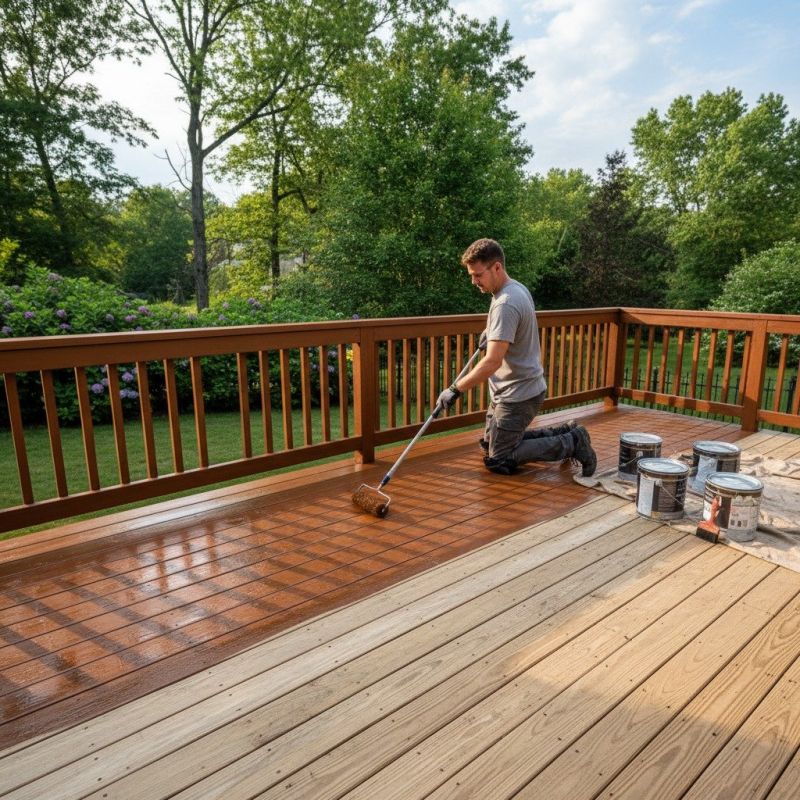
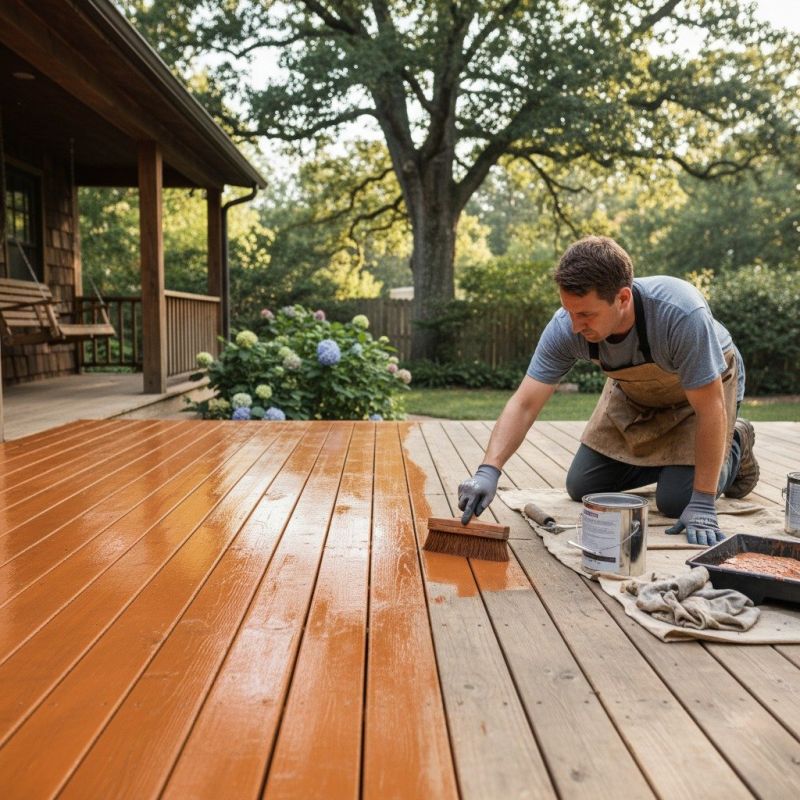
When considering paint vs. stain for decks, fences, and porches, property owners often look for options that enhance durability and appearance without requiring frequent maintenance. Many local contractors recommend stain for outdoor wood surfaces like fences and porches because it penetrates the wood, offering protection against weathering while highlighting the natural grain. Conversely, paint can provide a more uniform, colorful finish that may be preferred for decks or fences where a specific color or a more polished look is desired. Understanding the differences can help property owners choose the right treatment to match their aesthetic preferences and maintenance expectations.
For those in the area exploring options, local service providers can help evaluate the specific needs of a deck, porch, or fence to determine whether paint or stain is the better choice. Factors such as the type of wood, exposure to the elements, and desired appearance influence the decision. Experienced local contractors can also handle the application process, ensuring the chosen finish is properly applied for long-lasting results. This guidance makes it easier for property owners to make informed decisions and find the right painting or staining services to keep outdoor spaces looking their best.
What are the main differences between paint and stain for decks, fences, and porches? Paint provides a solid color and a protective coating that can hide imperfections, while stain penetrates the wood to enhance its natural look and offers a more transparent finish. Local contractors can help determine which option suits the specific material and desired appearance.
Which option is more durable for outdoor wood surfaces: paint or stain? Generally, paint tends to last longer and resist peeling, but stain can be easier to maintain and may need reapplication more frequently. Service providers can advise on the best choice based on climate and usage.
Can local service providers help decide whether to paint or stain my deck, fence, or porch? Yes, experienced local contractors can assess the condition of the wood, your aesthetic preferences, and maintenance expectations to recommend the most suitable option.
Is it easier to maintain painted or stained surfaces on outdoor wood structures? Stained surfaces typically require less prep work for touch-ups and are easier to reapply, whereas painted surfaces may need more effort to fix chips or peeling. Local pros can perform maintenance and touch-ups effectively.
Are there specific situations where paint or stain is clearly better for outdoor wood surfaces? Paint is often preferred for a uniform, colorful finish and added protection, while stain is better for highlighting the wood grain and providing a natural look. Local service providers can help evaluate the best choice for each project.
Choosing the right finish - property owners can explore whether paint or stain better suits their deck, fence, or porch by consulting local contractors for expert advice on durability and appearance.
Preparing surfaces properly - local service providers can help with cleaning and sanding to ensure the chosen product adheres well and lasts longer on decks, fences, or porches.
Matching colors and styles - property owners might work with local pros to select colors or stains that complement their home’s exterior and personal aesthetic preferences.
Considering maintenance needs - local contractors can advise on ongoing upkeep, helping property owners decide whether paint or stain aligns with their maintenance preferences for decks, fences, and porches.
If you are thinking about paint vs. stain: which is best for decks, fences, and porches? for a property, this guide is meant to help you understand this topic, the typical project types, and how different options might fit your plans.
When you are ready, you can use the quote form on this page to share a few details about your project. From there, local pros can review the basics and follow up with options that match what you have in mind.